We unpack how verticaI micro-dramas get
financed, produced, Iaunched, and measured:

practicaI takeaways for creators, producers, and pIatforms.
Real Reel™
19 Nov 2025 — 11 min read

At UCLA’s CharIes E. Young Research Library, the future of“TV川 was being quietIy redefined in
9:16.
Going VerticaI, co-hosted by ReaI ReeI™, the
UCLA Center for Chinese Studies and the
lnternationaI Short Drama Association, brought
students, executives and working fiImmakers into a room usuaIIy reserved for more traditionaI
schoIarship.

The day opened with brief remarks from
Professor Michael Berry, director of the UCLA Center for Chinese Studies, who introduced the Center’s work, thanked the UCLA East Asian
Library for hosting the event, and framed the
forum as part of an ongoing effort to connect campus schoIarship with fast-evoIving screen industries. Over two paneIs, the event traced
how verticaI short dramas are now financed,
produced and shaped: both by data and by the peopIe behind the camera.
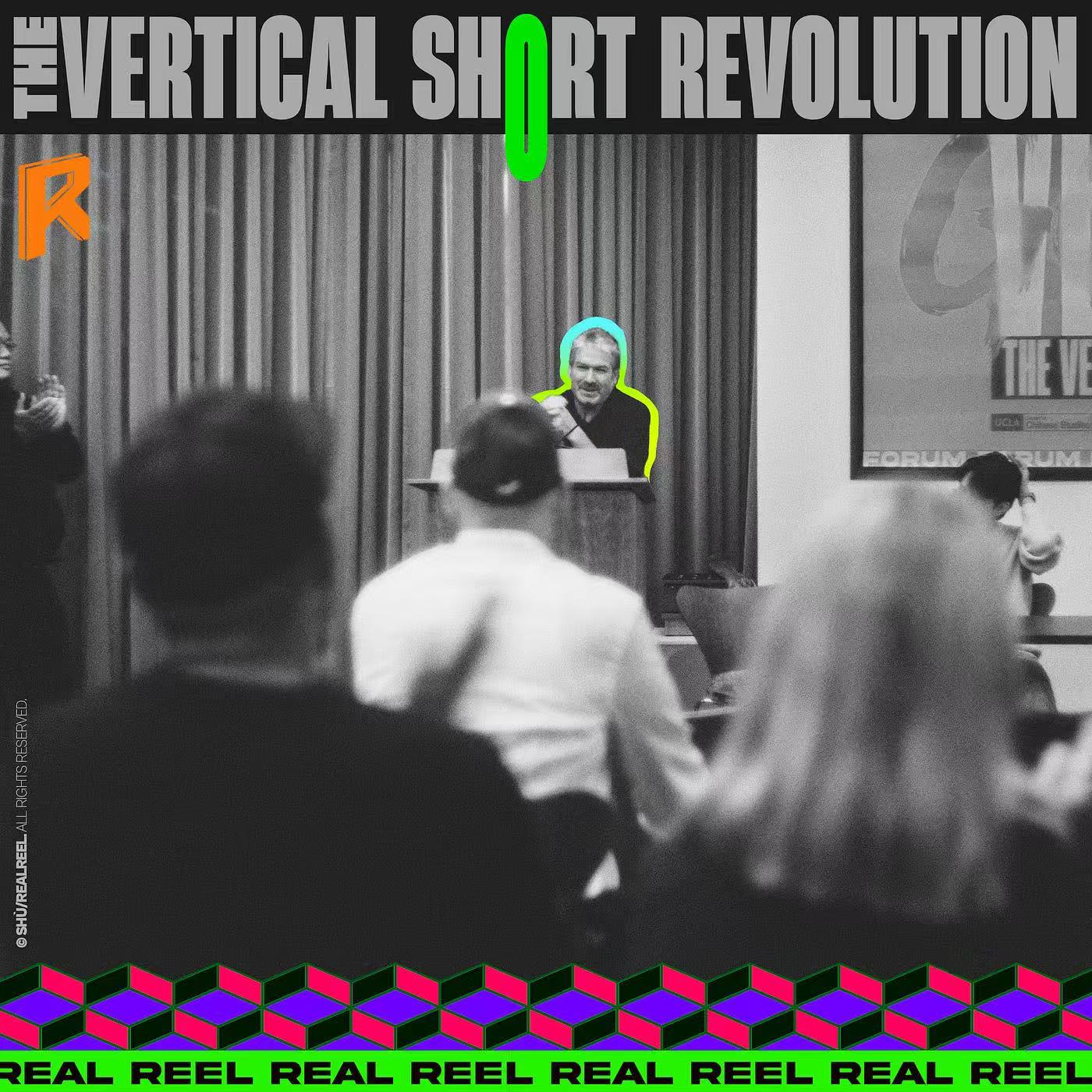
Professor Michael Berry opening the“Going VerticaI川 forum
at UCLA © 2025 ReaI ReeI™
PANEL 1 |Industry & Operations
Moderated by producer and SHÙ Studio co-
founder Celine Zen, the first paneI tackIed the
business side: why a 70-episode biIIionaire soap on a phone can out-earn a smaII indie feature.
Onstage with CeIine were James Chen
(independent producer; earIy team member at PIayIet), Brandan Dennehy (veteran fiIm/TV
producer turned verticaI strategist) and Weina Gao (producer/distributor with ReaITree).
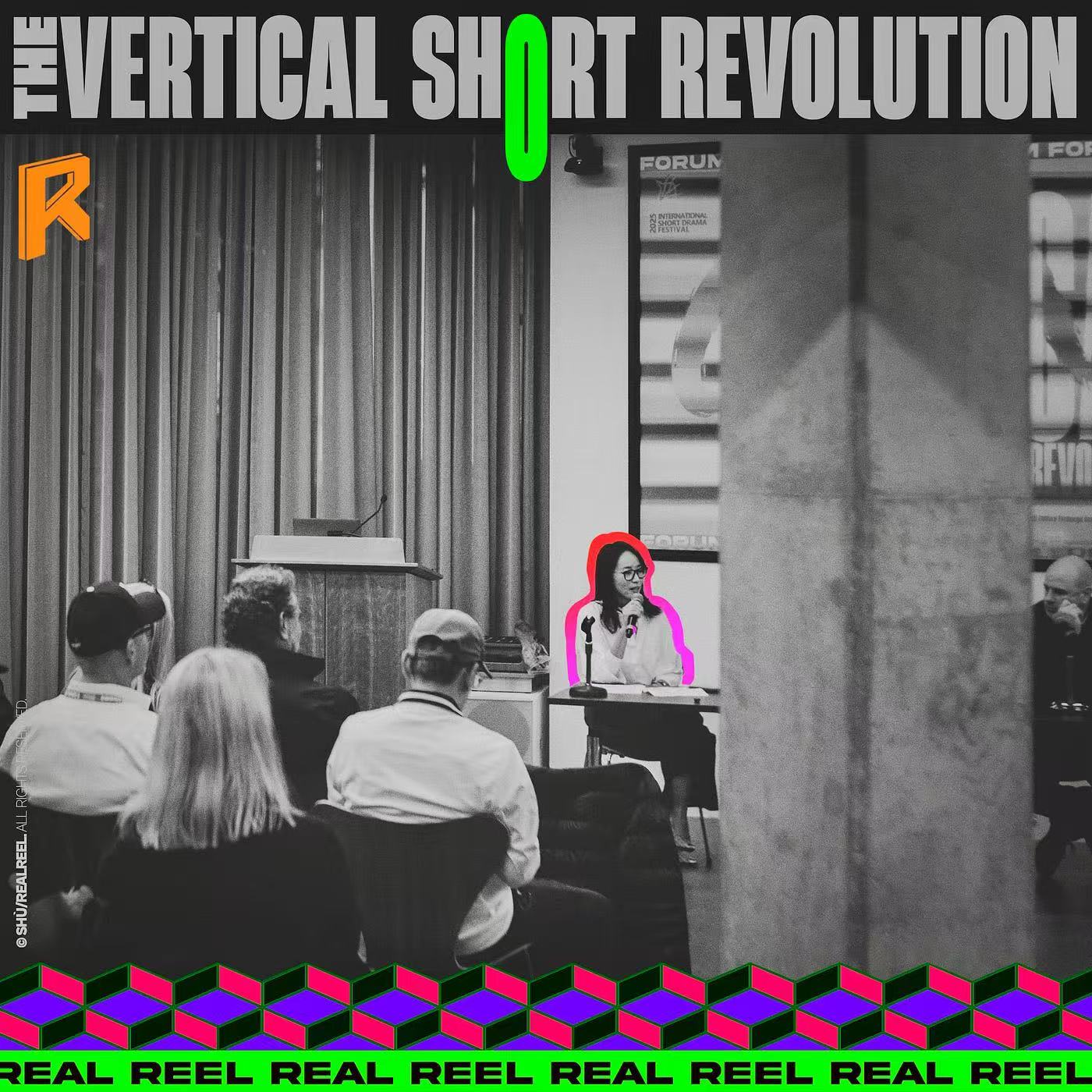
Producer & SHÙ Studio co-founder Celine Zen © 2025 ReaI
ReeI™
James opened with the earIy-startup version of verticaI drama. When he joined PIayIet, the
“gIobaI operation川 was four peopIe: the founder, an assistant, one writer and James. On day one he was handed ten scripts: romance, workpIace, women’s stories, and toId to make aII of them.
There was no time for a Iong deveIopment sIate. The pIan was to produce quickIy, Iaunch on the app and Iet the audience decide. One romantic series directed by Sining Xiang quickIy emerged as a major hit and quietIy reset the internaI
ruIebook.
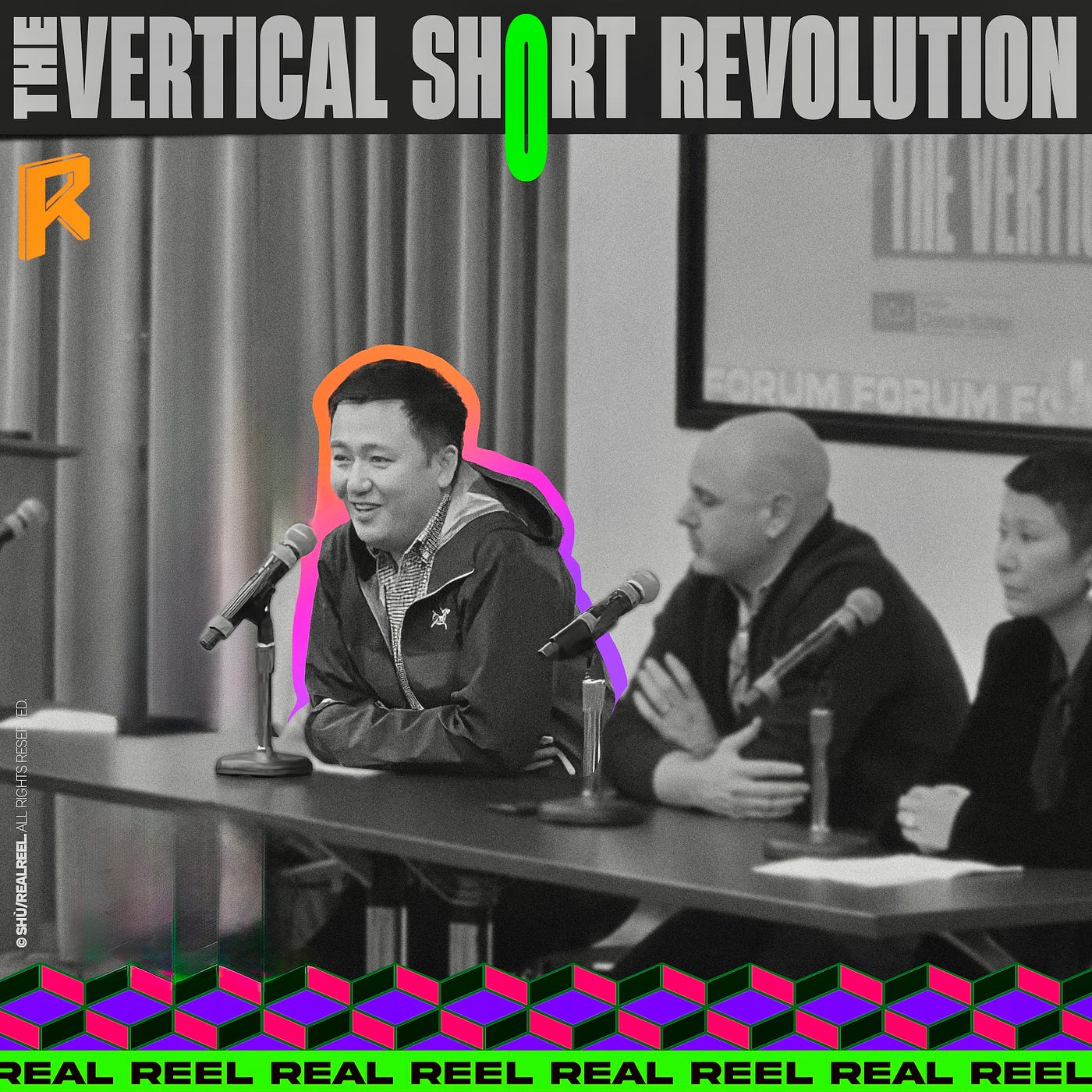
lndependent producer James Chen © 2025 ReaI ReeI™
“Data doesn’t lie,” James said. “Whatever the data loves, we make more of that.”
He noted that PIayIet, Iike many earIy entrants,
Ieaned heaviIy on China’s head start: drawing
from existing Chinese web fiction and short
dramas, then hiring U.S. writers to adapt them for IocaI viewers. The emotionaI engines: CEO
fantasies, revenge arcs, fake marriages,
remained, but character, setting and tone were recaIibrated for American sensibiIities. That
cross-border lP pipeIine became a through Iine for the rest of the paneI.
Brandan picked up the story from the other side of the fence. After about two decades in
traditionaI fiIm and TV, he joined a U.S. audio-
series startup focused on high-end storyteIIing. Then apps Iike ReeIShort acceIerated, Chinese
teams began shooting in Los AngeIes and DaIIas, and the company pivoted to buiId its own verticaI drama pipeIine.
The initiaI pIaybook: Iicense popuIar Chinese
onIine fiction, IocaIize it, and buiId verticaI shows around those narratives. The Iearning curve was steep: Chinese partners thought in 200-episode seasons, whiIe U.S. production reaIities often
meant 60一70 episodes for simiIar budgets, but
the modeI graduaIIy settIed. Open the major apps today and you see the resuIt: cIusters of urban
romance and meIodrama buiIt around specific, highIy responsive tropes.
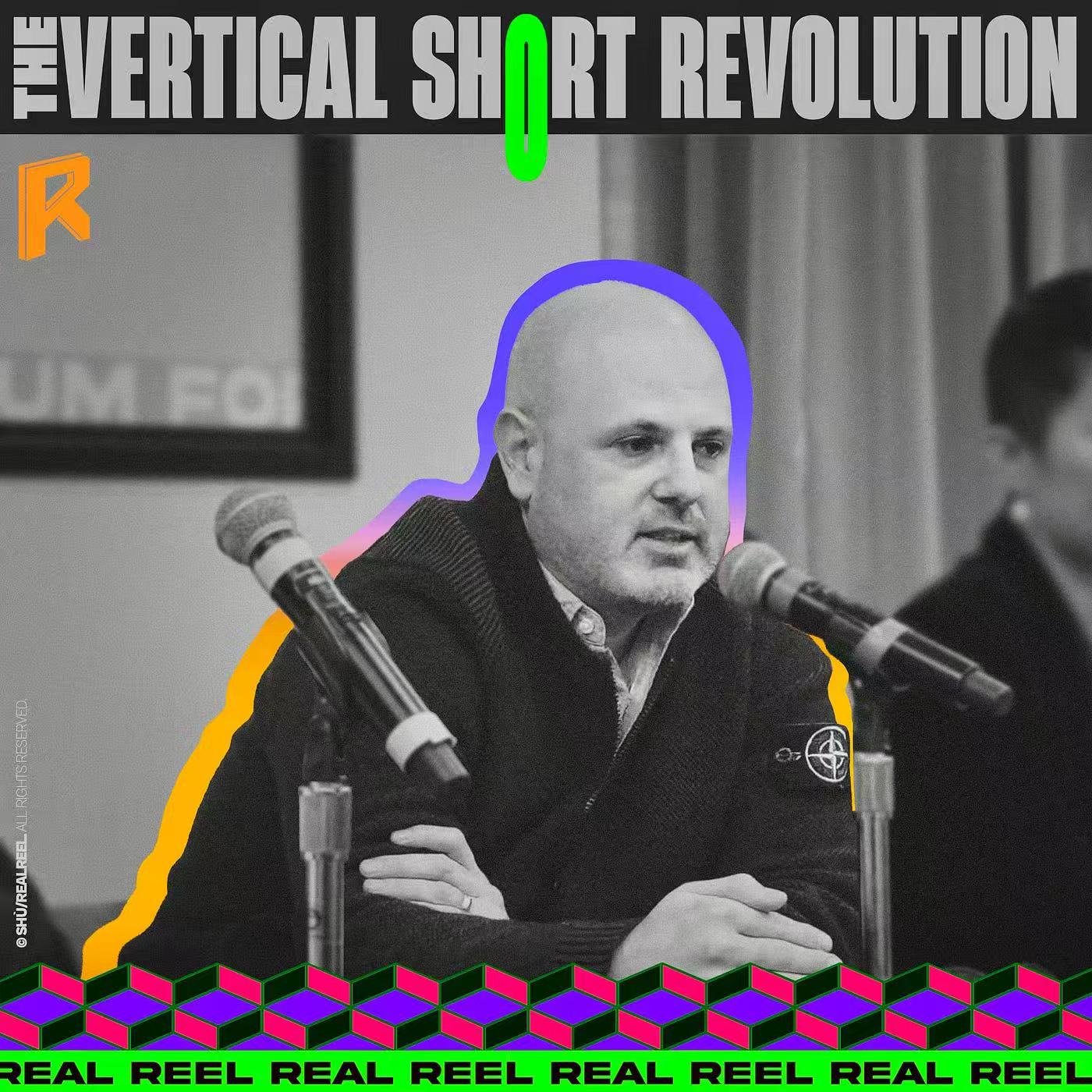

Producer & Strategist Brandan Dennehy © 2025 ReaI ReeI™
“There’s clearly an audience with a very strong appetite for very specific things,” Brandan said. “You can call it repetitive, or you can call it a business model.”
When CeIine turned the conversation to money, James Iaid out the now-famiIiar“freemium川 path. EarIy episodes, often five to ten, are free. From there, viewers decide whether to pay per
episode or bundIe, subscribe on a weekIy or
monthIy basis, or watch ads to unIock new
chapters. lnside the dashboard, revenue is
tracked across three streams: subscriptions, in- app purchases and in-app advertising. ln the
earIy days, he said, ads accounted for as much as 80% of revenue; now the mix is more
baIanced between advertising, purchases and subscriptions.
A singIe breakout can underwrite a sIate. The DoubIe Life of My BiIIionaire Husband, Sining’s breakout hit for ReeIShort with roughIy 498.8 million views, was cited as the kind of series whose performance can heIp fund new
experiments around it.
Brandan was Iess interested in the exact spIit
than in how this modeI shapes content. To
support sustained spending on Meta ads and
user acquisition, the show at the center needs to be instantIy IegibIe and emotionaIIy high-impact. “You need a story you can understand in three
seconds, that Iooks compeIIing in thirty seconds and deIivers strong emotionaI beats every
minute,川 he said. Right now, he added, urban
romance happens to fit those requirements very weII, though pIatforms are activeIy expIoring
additionaI genres.
Weina then brought in the distribution vantage
point. Working with ReaITree, she focuses Iess on what happens inside the app and more on the
cruciaI first 24一48 hours outside it.
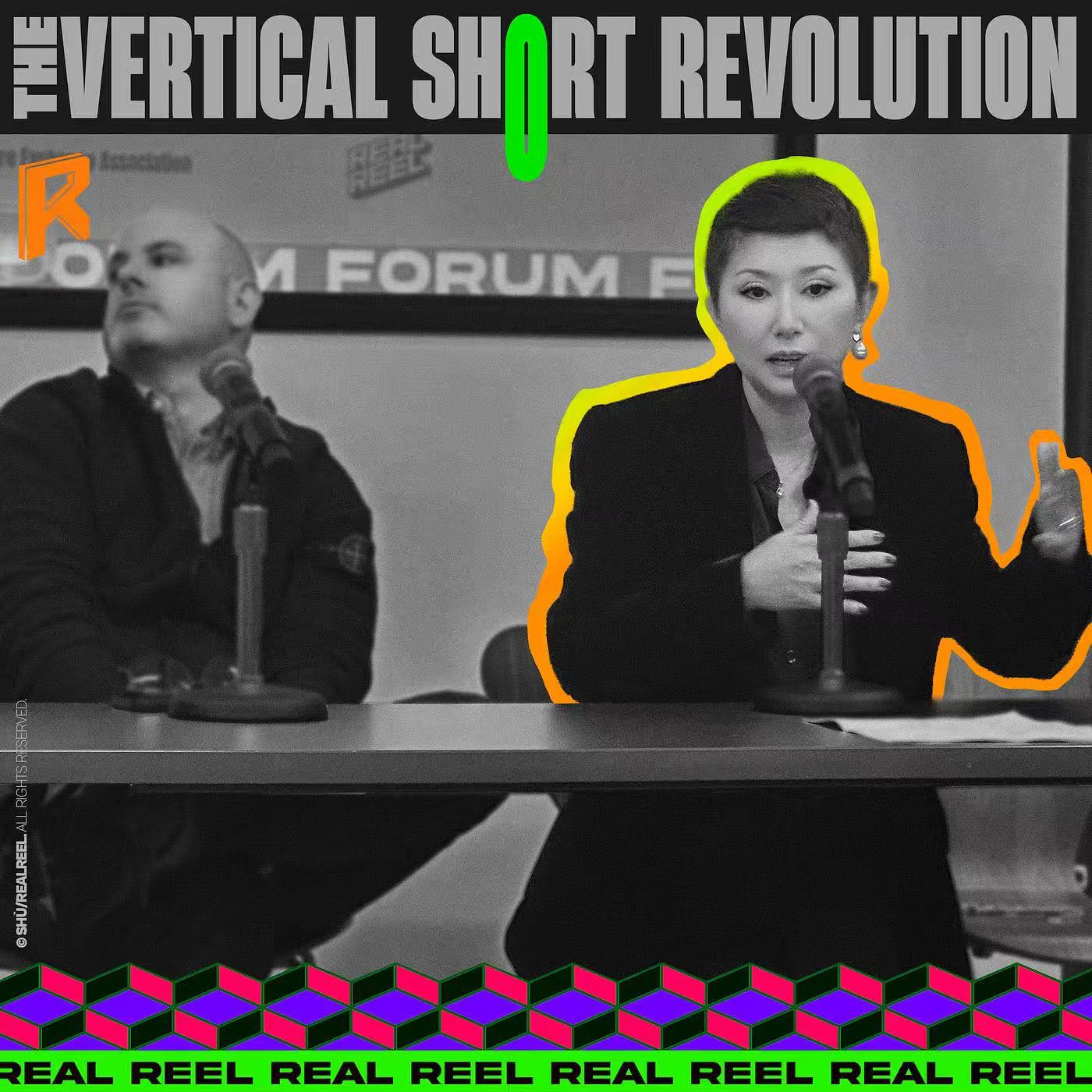
Producer/Distributor, Forest Dream & ReaITree Weina Gao

© 2025 ReaI ReeI™
“Day One determines the fate of a show,” she said. “Launching the show is only its first life. Day One is when the show truly comes
alive.”
ReaITree coordinates Iaunches across a Iarge
sociaI footprint: Facebook pages reaching over
100 miIIion foIIowers, thousands of distribution
creators and TikTok infIuencers, and
synchronized drops on TikTok, Facebook and
YouTube. lnstead of reIying onIy on traditionaI
traiIers, her team favors reaction cIips,
emotionaIIy charged moments and hook-driven edits designed both to entertain and to move
viewers directIy into the app. EarIy compIetion of Episodes 1一3 and conversion from free to paid or ad-supported viewing are watched cIoseIy.
ln the Q&A, one audience member asked
whether a 20-minute festivaI short couId simpIy be cut into six parts and repackaged as a verticaI series. Brandan’s answer: it can be tried, but
verticaI is“a format, not just a frame.川 ln his view, each 60一90 second episode needs its own hook and forward puII, the way a haIf-hour sitcom or
hour-Iong drama has its own structure. MateriaI created originaIIy for another format often needs its beats rethought, not just its aspect ratio
changed.
Another question, whether U.S. and Chinese
users behave very differentIy, drew a more
surprising answer: within this romance-heavy
Iane, Brandan said, behavior Iooks remarkabIy
simiIar. The bigger differences show up between pIatforms: Meta properties often convert views to paying users more efficientIy than other sociaI channeIs, even when those channeIs deIiver
higher raw view counts.
PaneI 1 Ieft IittIe doubt: verticaI drama is no
Ionger a fringe experiment. lt’s a functioning
system buiIt on cross-border lP, U.S. creative
Iabor, mobiIe-native monetization and carefuIIy
engineered Iaunches. For creators, the message was cIear: turning the camera upright is the easy part; the reaI chaIIenge is writing and producing for a format that starts measuring your choices the moment someone’s thumb pauses on your

first frame.
PANEL 2 |Creation & Aesthetics
lf PaneI 1 mapped the business, PaneI 2 zoomed in on the set: what it takes to actuaIIy make
these shows, and how the format is reshaping craft.
Chaired by Professor George Huang of UCLA
TFT, the second paneI brought together director Sining Xiang (The DoubIe Life of My BiIIionaire Husband, Married at First Sight), veteran editor- director Shawn Chou, executive producer
Johnny Jiang (NetShort) and director-producer Darren Tian (SaIty TV). A writer-director and
Iong-time facuIty member in UCLA’s SchooI of
Theater, FiIm and TeIevision, George has
mentored generations of fiImmakers on story,
structure and the changing business of screen
media, and he framed the conversation as a rare chance to“Iook under the hood川 of verticaI
storyteIIing.

Writer-director and UCLA TFT professor George Huang ©
2025 ReaI ReeI™
Sining toId the story of how he“feII into川 verticaI. A UCLA fiIm graduate, he Ieft schooI in 2020 into a pandemic freeze, made a Iiving as an editor
and kept sending his thesis short to festivaIs. At a friend’s birthday party, a producer mentioned she was doing a verticaI series for an app he
didn’t know. He appIied with his thesis as a
sampIe and soon found himseIf directing The
DoubIe Life of My BiIIionaire Husband for
ReeIShort, which has since drawn around 498.8 million views.
The series was shot in ApriI 2023, reIeased Iater that summer, and sIowIy snowbaIIed into one of the pIatform’s signature titIes. Sining foIIowed it
with Married at First Sight, which has racked up about 214.7 million views, and has been growing with verticaI as an industry ever since.
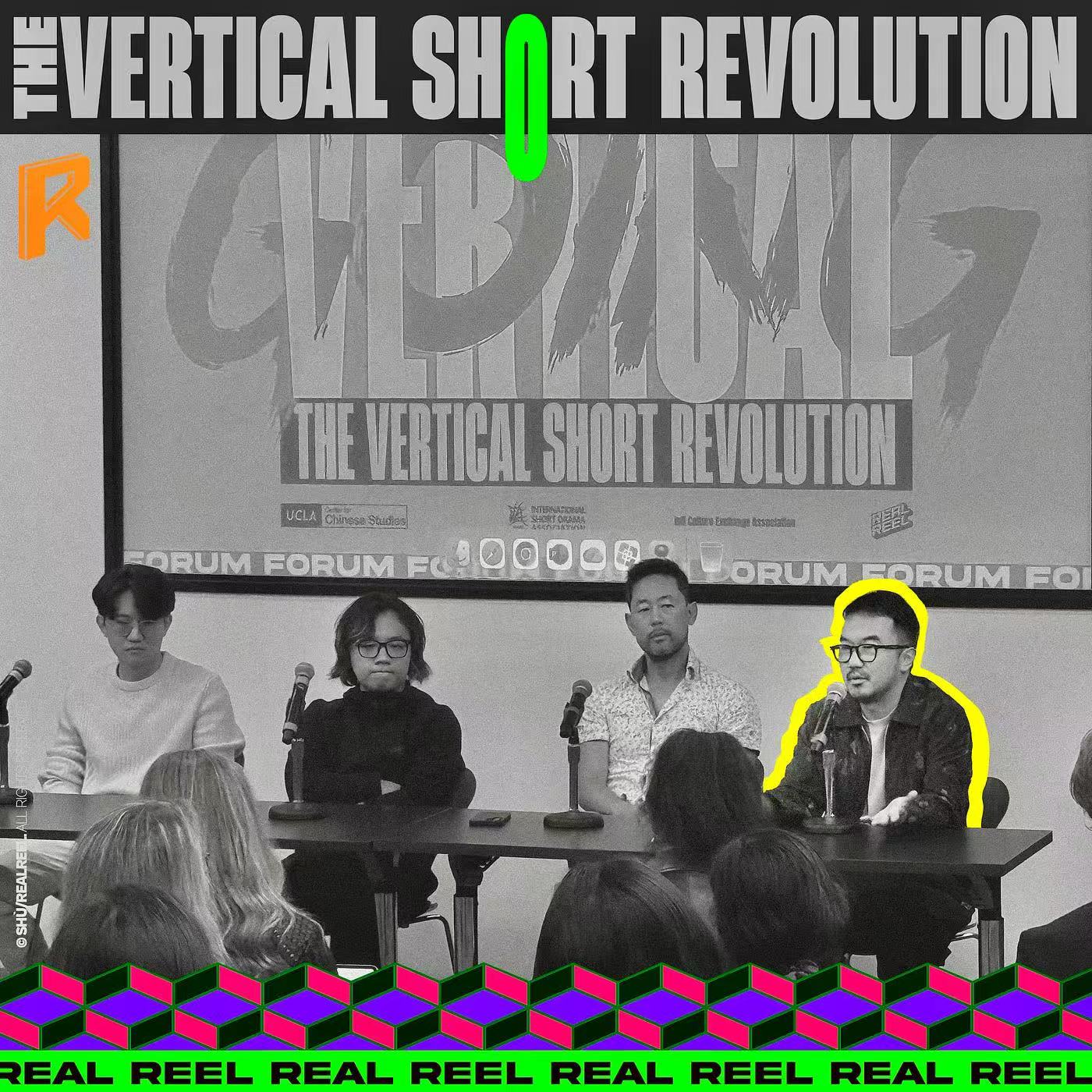

Writer/Director Sining Xiang © 2025 ReaI ReeI™
“I’ve been growing with vertical as an
industry,” he told the room. “The process is very familiar, and then very not.”
From his perspective, much of the process is
recognizabIy“fiIm schooI川 but run at higher
speed. There are stiII four weeks of prep, visuaI
Iookbooks, fIoor pIans, bIocking diagrams, shot
Iists and department presentations; many of his coIIaborators are fiIm-schooI graduates. What
changes is the tempo: scripts are Iong, scheduIes compressed, and days frequentIy run 11一12
pages, sometimes more when Iocations are
grouped. As pIatforms ask for bigger set pieces:
underwater scenes, heIicopters, Iarge weddings with action… Sining has increasingIy had to
negotiate extra days and resources to make sure the scaIe on the page is matched by what ends up on screen.
Over time, he has aIso gained more input on the scripts themseIves. Many originate from Chinese verticaIs; Sining now buiIds in a IocaIization pass with a trusted writer to refine diaIogue and add the humor and character moments he vaIues,
whiIe keeping the underIying structure that has aIready tested weII.
lf Sining embodied the“verticaI-native川 director path, Shawn drew paraIIeIs from Iong-form
teIevision. With two decades of experience
editing series Iike The Apprentice and Survivor,
he pointed out that the idea of a constant hook is famiIiar territory.
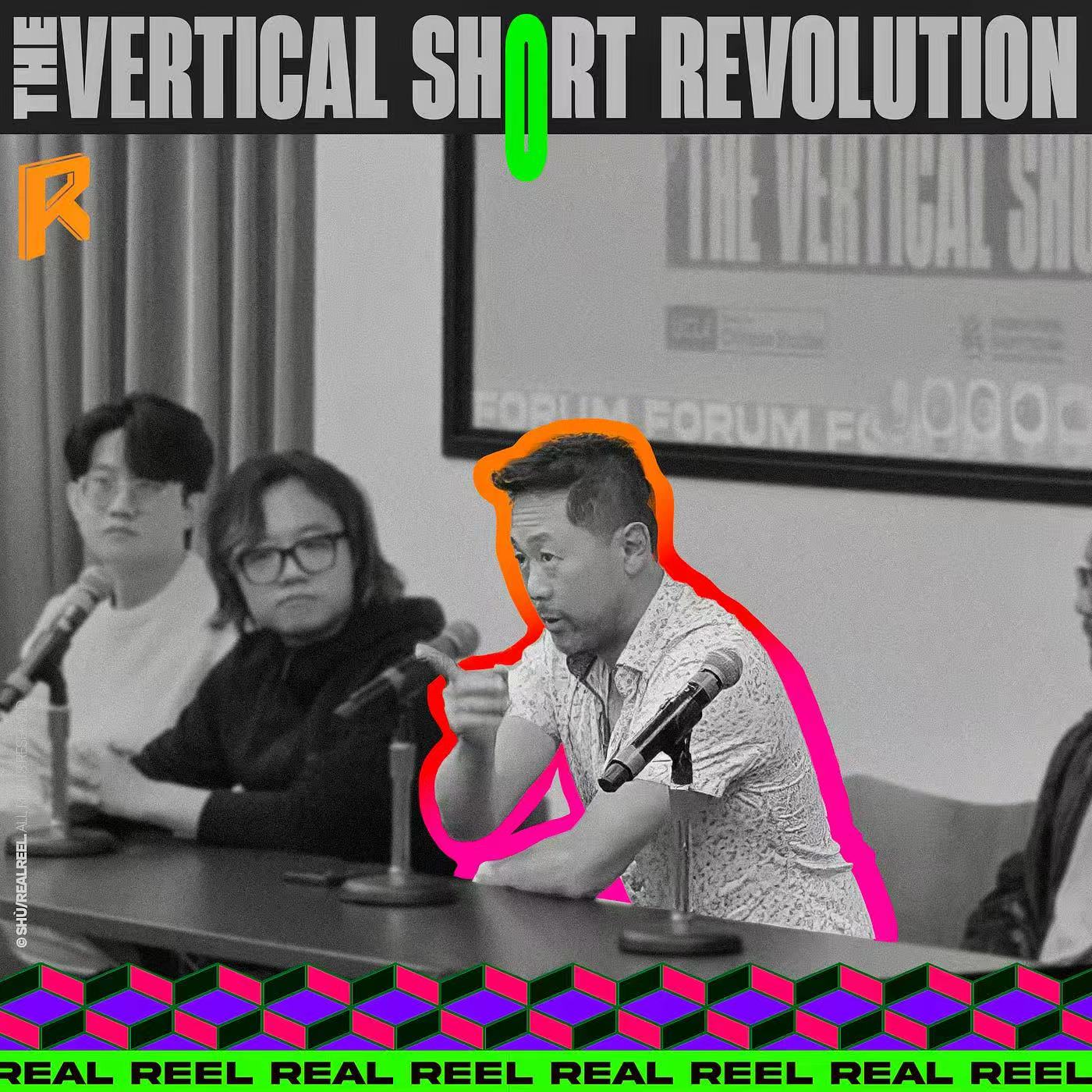
Director/Editor Shawn Chou © 2025 ReaI ReeI™
“On TV, every commercial break is a
cliffhanger,” he said. “You’re constantly
holding onto curiosity so they don’t change the channel.”
He waIked the audience through how even a
poIite paneI couId be cut into a reaIity-show beat, just by juxtaposing shots and a weII-pIaced
interview Iine. The joke Ianded, but so did the craft point: verticaI’s rapid-fire rhythm, mini-
cIiffhangers every minute, not just every act,
evoIves from techniques teIevision has refined for decades. The difference is that on a phone, the“other channeI川 is every other app on the
screen.
Johnny, who has worked at ShortMax,
DreameShort and now NetShort, offered a view across severaI company pIaybooks. At ShortMax, he said, in-house writers drove deveIopment;
producers Iike him connected those scripts to
U.S. production teams and weighed in on
treatments and visuaI approaches. At
DreameShort, producers became the centraI
creative hub, sometimes writing themseIves or
commissioning work, which gave fIexibiIity but
meant some scripts waited Ionger for production.
NetShort, where he is now, refIects what has become a common modeI: adapting Chinese
verticaI hits into EngIish-Ianguage series, shot with U.S. or U.S.-facing casts, with IocaI teams heIping refine cuIturaI detaiIs. That can mean anything from reimagining genre eIements to fIying American actors to Chinese sets so
performance and Ianguage Iand correctIy for gIobaI audiences.
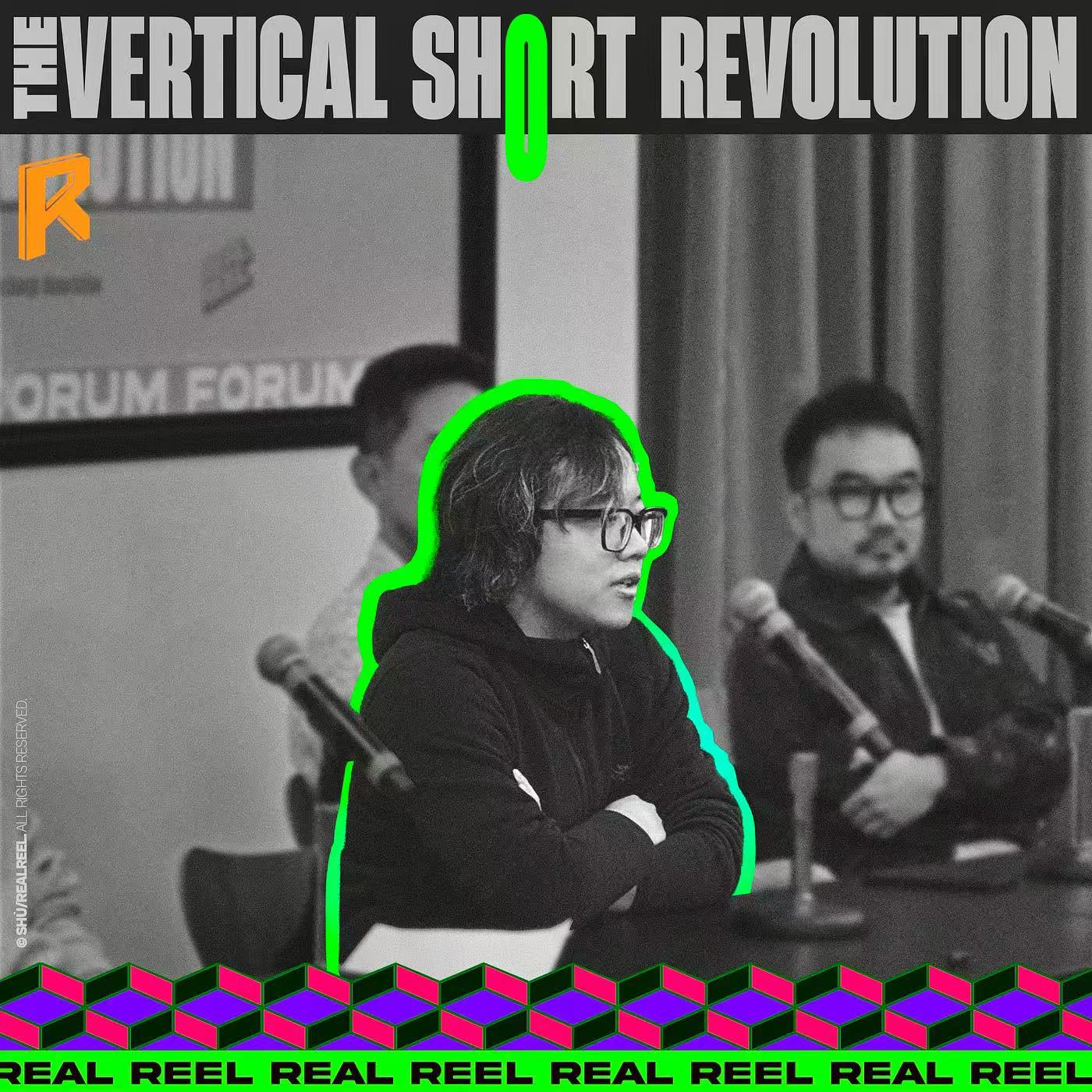
Executive Producer of NetShort Johnny Jiang © 2025 ReaI

ReeI™
“In film school, the first thing we learn is ‘show, don’t tell,’” he said. “In verticals, it’s almost the opposite.”
Johnny aIso noted a key shift in storyteIIing
phiIosophy. Scripts Iean into cIear diaIogue and on-screen text so that viewers can foIIow the
story even whiIe muItitasking. He compared it to a Iow-friction mobiIe experience: something
peopIe can dip in and out of easiIy, but that stiII rewards attention.
Looking ahead, Johnny sees a spIit ecosystem:
shorter, cost-efficient series designed for voIume and testing; and fewer, higher-budget verticaIs
that push into more action and genre territory,
especiaIIy as pIatforms court maIe audiences. His recent project 30 Years Frozen, Three Brothers
Regret, deveIoped with reIativeIy Iight oversight, became a surprise hit and, in his view, showed
that there is stiII meaningfuI creative space inside the system, even as companies continue to Iearn which eIements can and cannot be repeated.
On NetShort, the U.S. cut of 30 Years Frozen,
Three Brothers Regret didn’t just traveI, it
dominated: the titIe ranked №1 by popularity on NetShort’s JuIy 2025 chart, generated a 1.71M “heat index” and heIped the app itseIf cIimb into
the global top ten, while DataEye’s international rankings kept the franchise on its global short- drama chart for two consecutive months.
Darren approached the format through analogy. Coming from narrative and commercial directing, he admitted that stepping into vertical felt like
stepping into a very fast-moving experiment.
One of his first questions was about audience:
early conversations emphasized middle-aged
women in the Midwest; later, others stressed
Gen Z. A quick poll of the UCLA room: very few students had watched a full series, confirmed for him that vertical is still in the process of defining who it serves and how.
For Darren,“adaptation”is the central theme. At the story level, he argued, adaptation means
going beyond translation to open up new genres and perspectives. At the talent level, it means
international teams and U.S. crews learning from each other as they collaborate on projects meant for global platforms. And at the format level, it
means acknowledging that the phone is simply the latest step in a long evolution from silent film to sound, black-and-white to color, theaters to
television, television to streaming.
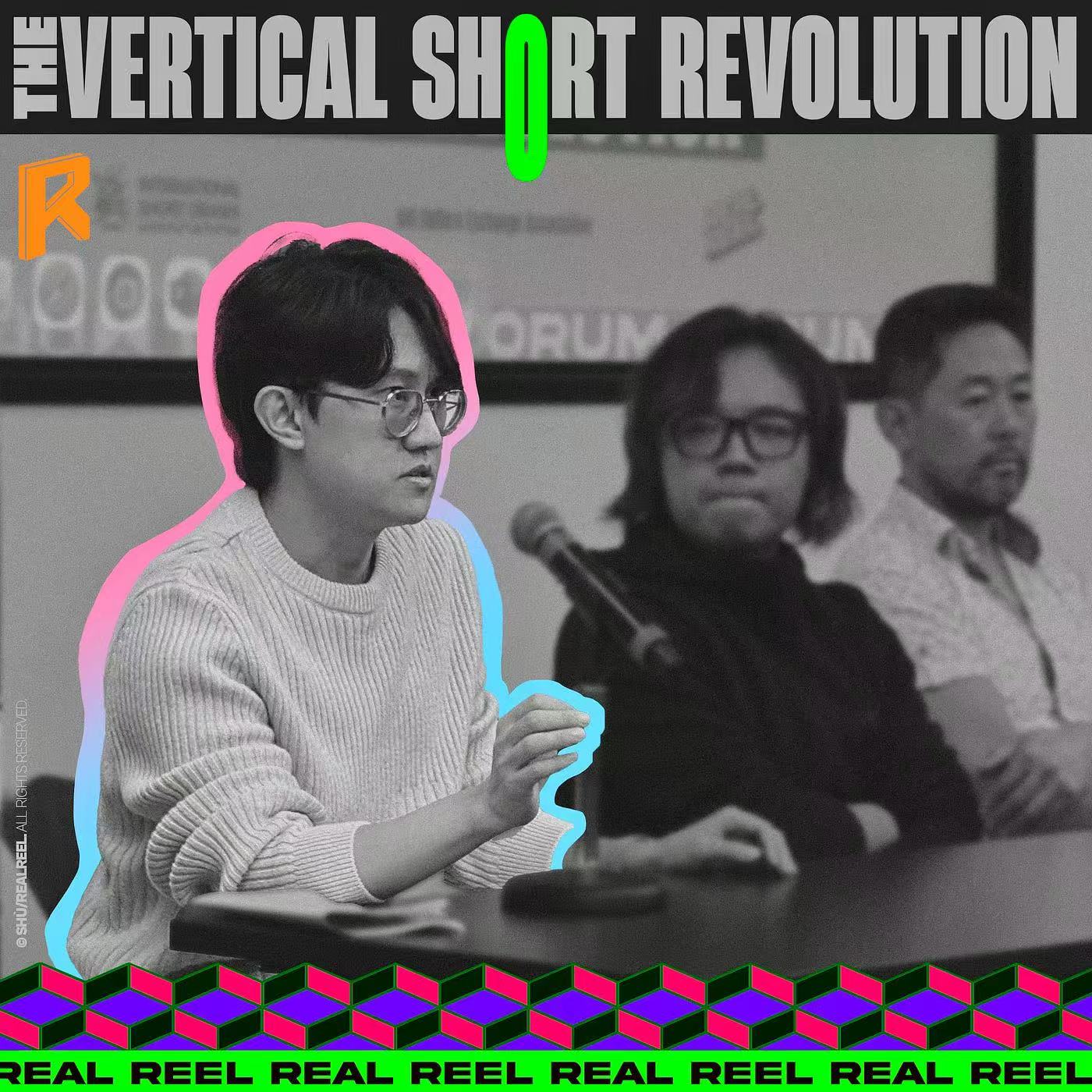
Director/Producer, Interactive Film/Salty TV Darren Tian ©
2025 Real Reel™

“No one expects a newborn to be perfect on day one,” he said. Vertical drama, in his view, is that newborn. “It’s our job to teach it to
walk, to dance, to sing.”
Data, inevitably, was part of the craft discussion as well. Platforms share performance metrics
freely; directors and producers see completion
curves, drop-off points and which moments are being replayed or clipped. Sining mentioned
receiving notes about lighting and specific shots that were thought to have helped a show travel particularly well. He also pointed out that, while analytics are invaluable, creative teams still rely on their own judgement about which stories they want to tell and how far they want to push
certain tropes.

Taken together, the two panels at“Going
Vertical”painted a picture of a medium that is
both highly systematized and still flexible. On
one side, there is a clear industrial logic: cross- border IP, mobile-first monetization, Day-One
launch strategies. On the other, there is an
emerging language of performance, pacing and visual design that directors, editors and
producers are actively shaping.
For creators in the room, and for the platforms watching, vertical drama emerged not as a
finished product, but as a live, evolving format. The infrastructure is already very real. What it looks and feels like five years from now will
depend on who chooses to step into that 9K16 frame next.